
Kitchen Plumbing Upgrade Ideas
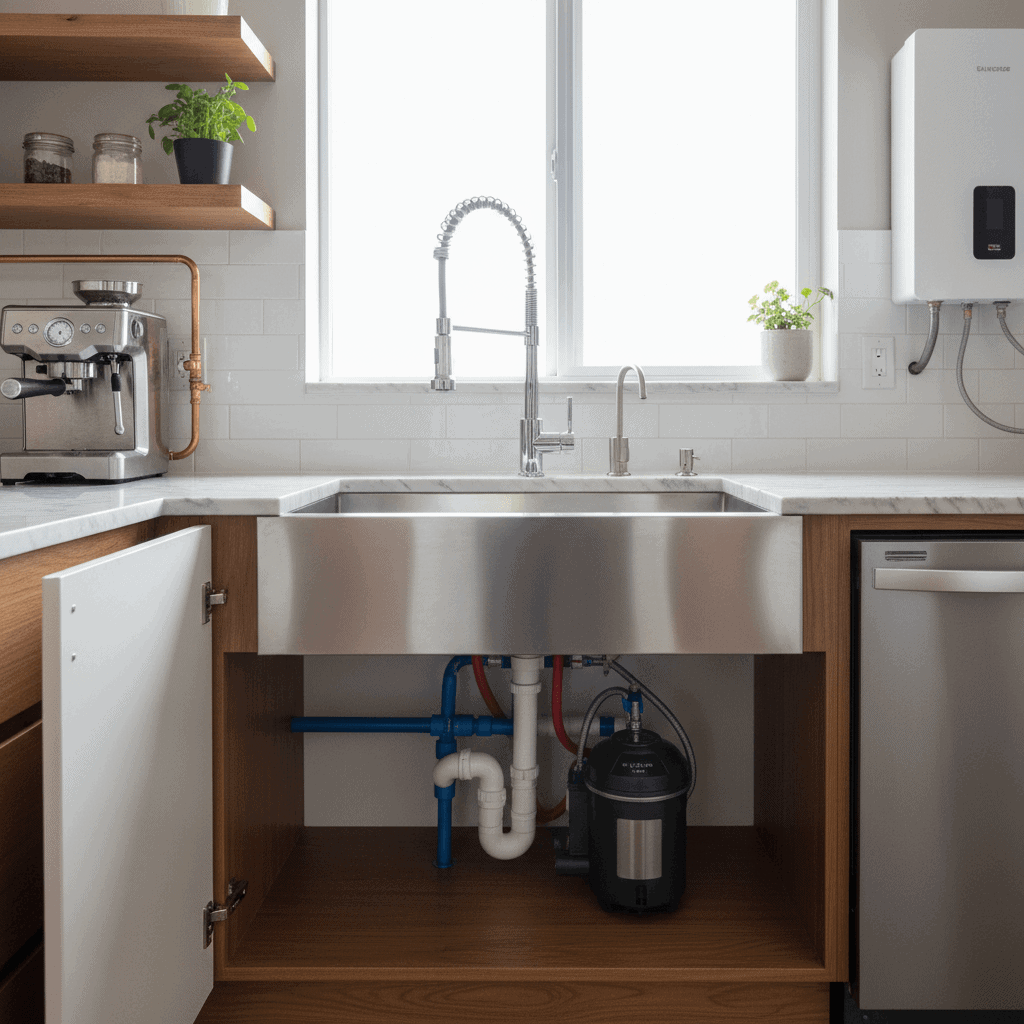
Upgrading kitchen plumbing is one of the smartest ways to add daily convenience and lasting value to a home. Small changes like a new faucet or a better drain layout can cut water waste, reduce nuisance leaks, and make cooking and cleanup faster. This article lays out practical kitchen plumbing upgrade ideas you can use whether you plan a weekend refresh or a full remodel.
The goal here is to give clear options, typical costs, and tips that help you decide which projects make sense for your space. Read on for specific fixture recommendations, piping choices, signs that a bigger repair may be overdue, and simple planning steps that reduce surprises during installation.
Why a kitchen plumbing upgrade matters for daily life and bills
Older fixtures and pipes create small problems that add up over time. The U.S. Environmental Protection Agency notes that household leaks can waste more than 10 000 gallons of water per year in a typical home. Replacing leaky valves, installing water-saving faucets, and repairing hidden leaks can cut water waste and lower utility bills.
Upgrades also improve usability. A high-arc faucet with a pull-down sprayer makes it easier to fill large pots. A well-planned drain layout speeds water flow and reduces the chance of backups. When work is done with attention to access and shutoffs you will save time on future maintenance.
Common signs you need a plumbing refresh
- Slow drains or frequent clogs that do not clear with a plunger
- Visible leaks under the sink or water stains on cabinets or flooring
- Low or fluctuating water pressure when multiple fixtures run
- Corroded or pinhole leaks on exposed piping
- Discolored water or odd tastes and odors that point to aging pipes
- Rattling, banging, or gurgling noises in supply lines or drains
If one or more of these signs appears often it is worth inspecting valves, supply hoses, trap seals, and the garbage disposal. Sometimes the solution is a simple part replacement. Other times pipes or drain lines need rerouting or replacement.
Popular kitchen plumbing upgrade ideas that deliver value
Faucet choices and useful features
Faucets are the most visible and used plumbing feature in a kitchen. Consider a high-arc faucet for more room under the spout. A pull-down sprayer with multiple spray settings works well for rinsing produce and cleaning the sink. Sensor activated faucets reduce surface contact and can save water when used correctly.
- Single handle faucets simplify temperature and flow control
- Pull-down sprayers add reach and angle control
- Sensor activated models reduce accidental run time
- WaterSense labeled faucets typically use at least 20 percent less water
Tip for selection choose a model with reliable cartridge technology and a solid warranty. Frequent failures are often tied to cheap internal parts rather than the finish or style.
Sinks and drain setups that reduce clogs and maintenance
Upgrading the sink can be more than cosmetic. A deep single-basin sink handles large pots but may need an accessory shelf or cutting board to keep tasks comfortable. Double basins offer separation for washing and rinsing. When replacing the sink, consider installing a larger diameter drain line where possible to improve flow.
- Stainless steel resists staining and is easy to clean
- Fireclay or composite sinks look good and stand up to impacts
- Adding a sink strainer and a simple trap primer helps prevent sewer gas and clogs
Piping choices pipe materials and dealing with slab issues
Pipe material influences durability repair options and overall cost. Copper has long been used for supply lines and offers longevity. PEX is flexible, resists freezing damage better than rigid metal, and is quicker to install in many layouts. Galvanized steel should be replaced when corrosion or flow restriction appears.
When to replace pipes versus patching
Minor leaks on fittings can often be repaired. Widespread corrosion, poor water quality, or repeated pinhole leaks usually mean replacement is the wiser path. Homes built with older materials can benefit from switching to modern supply lines to avoid recurring repairs.
Slab leaks and professional repair considerations
Leaks under a concrete slab require timely attention because they can cause foundation damage, mold, and ongoing water loss. If moisture appears in unexpected places or a section of flooring remains damp, that can indicate a slab issue. For cases that involve concrete or major rerouting consider professional kitchen plumbing remodeling that includes leak detection and targeted repair work.
Water filtration disposal and appliance connections
Adding a point of use filtration system at the sink is a common upgrade for drinking and cooking water. Options range from simple carbon filters to reverse osmosis systems. Installation typically requires a dedicated feed line and a small faucet mounted on the sink or countertop.
Garbage disposal upgrades improve grinding power and reduce jams. When replacing a disposal evaluate whether your current electrical circuit is adequate and whether the drain route needs reconfiguration to avoid standing water.
Water saving fixtures and low flow strategies
Water saving changes can cut utility bills and reduce strain on municipal systems. Low flow aerators on faucets maintain the feeling of pressure while reducing gallons used per minute. Choosing WaterSense labeled appliances and fixtures gives a clear benchmark for water savings.
- Install faucet aerators in the 1 5 to 1 8 gallons per minute range for good balance
- Check dishwasher and ice maker connections for leaks and proper shutoffs
- Use automatic shutoff valves on appliances when away for extended periods
Planning tips small jobs and full project timelines
Before removing fixtures measure existing rough in locations for water supply and drain lines. Small faucet swaps often take under an hour when access is good. Replacing sinks or moving plumbing lines will add time and may require permit review depending on local rules.
- Turn off the local shutoff valves before work and confirm water is off at the source
- Use compression fittings for quick, code compliant replacements on supply lines in many locations
- If soldering is required turn off gas and electricity as recommended and follow safety steps
- Budget tip allocate at least 20 percent extra for unexpected parts or fittings
Hiring a qualified plumber for drain rework or pipe replacement reduces the chance of leaks after the job is finished. For DIYers simple maintenance tasks like tightening connections replacing washers and swapping aerators are good starting points.
Cost ranges and return on investment
Here are general price ranges that help set expectations
- Basic faucet replacement including installation ten to three hundred fifty dollars
- Mid range pull down faucets two hundred to six hundred dollars installed
- Sink replacement with new countertop cutout three hundred to one thousand plus depending on material
- Garbage disposal replacement one hundred fifty to five hundred dollars installed
- Pipe rerouting or partial replacement one thousand to five thousand depending on scope
- Slab leak repair varies widely from a few hundred for targeted pipe cuts to several thousand for tunneling or rerouting
Keep in mind fixture lifespan can be long. Quality faucets often operate well for ten years or more with basic maintenance. That makes modest upgrades a sensible investment in comfort and long term savings.
When considering major repairs or suspected slab leaks get a clear written estimate listing labor materials permit costs and any cleanup. This helps compare bids and avoid surprises.
For kitchens where hidden leaks or foundation contact is possible it is worth getting a professional inspection and a plan for repair. Timely action prevents larger losses in structure and interior finishes.
Upgrading plumbing is a chance to fix nagging problems and add reliable function to the busiest room in the home. Start with small changes if you prefer incremental improvements or plan a full rework if your pipes are aging or if you have persistent leak signs. If you need help checking for slab leaks or want a professional plan for pipe repair and fixture upgrades consider contacting a licensed local plumbing service to get an accurate diagnosis and clear estimate.
Ready to get started review the signs above pick one upgrade to begin with and schedule a permit check if you plan changes to supply or waste lines. A few thoughtful moves now will save time and money later and give you a kitchen that works smoothly for years. If you suspect a slab leak schedule a professional inspection right away to limit damage and protect the value of your home.