
Equip Your Senior Loved Ones with Smart Home Safety
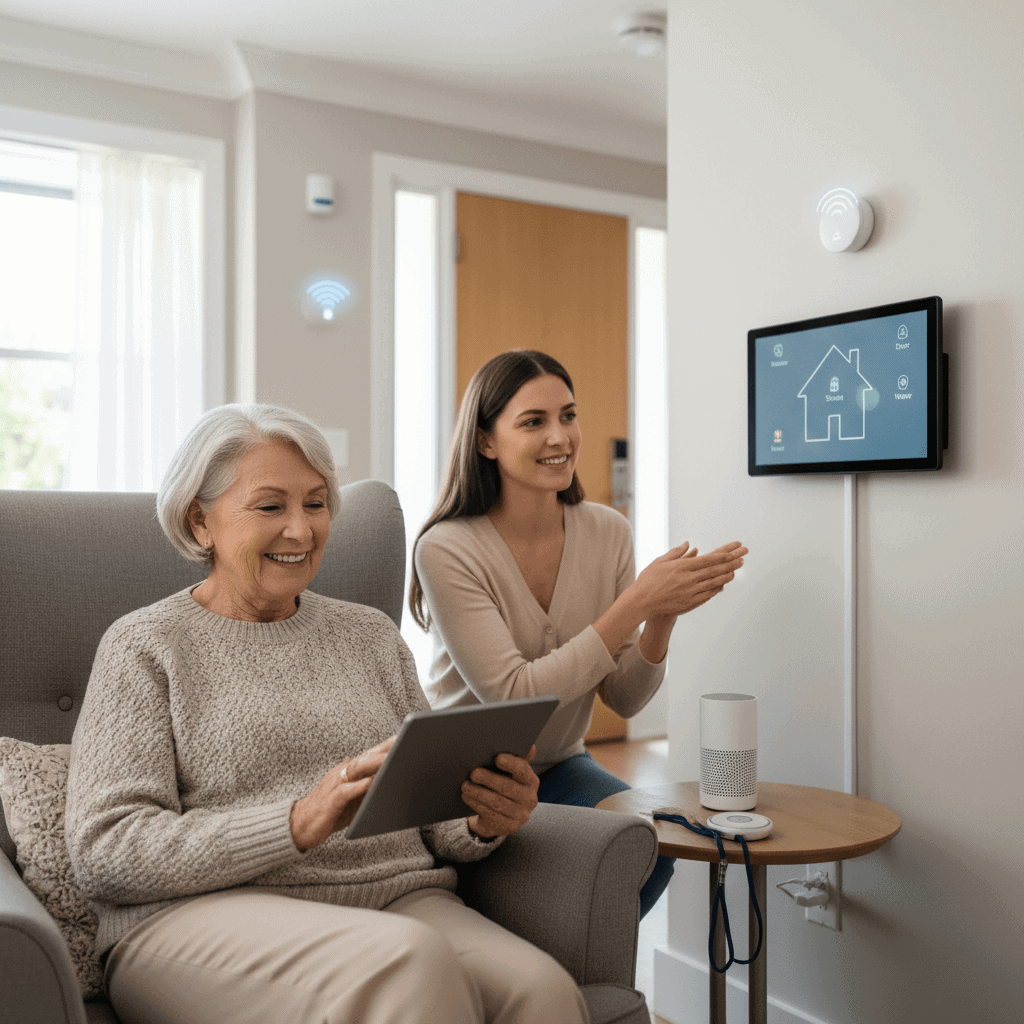
Caring for older family members brings a mix of emotions and practical challenges. Many of us want to provide a safe living environment while protecting independence. Modern home safety devices can make day to day living easier and reduce the most common risks at home.
This article lays out clear steps and real life tips to equip your senior loved ones with home safety options they can use with confidence. You will find device categories, selection checklists, installation guidance, privacy notes and cost conscious strategies that support older adults and their caregivers.
Why home safety matters for older adults
Falls are a leading cause of injury for adults over 65. Slips, trips and delayed response after an incident can lead to longer recovery times. Beyond falls there are hazards like kitchen fires, medication mistakes and wandering for adults with memory loss. Thoughtful equipment and placement reduce these risks and support daily routines.
Safety equipment does more than react to emergencies. It helps with predictable tasks such as lighting, stove shutoffs and medication reminders. That makes daily life less stressful for both the older person and the person who checks in on them. When selecting products, prioritize tools that match actual needs rather than flashy features that are seldom used.
Types of home safety devices to consider
There are several device categories to review. Each type addresses different hazards and has distinct benefits and tradeoffs. Below are common options and what they do in practice.
- Medical alert systems for immediate help when someone cannot reach a phone. Many models have fall detection and two way voice to a monitoring center.
- Motion sensors and door sensors that alert caregivers to unexpected movement or leaves from the home during odd hours.
- Smart lighting alternatives that automatically light common pathways at night to reduce falls. Choose models with simple controls and adjustable brightness levels.
- Automatic stove shutoffs and smoke detectors designed to cut fuel flow if a burner is left on for too long or if smoke is detected.
- Medication reminder systems that offer scheduled alerts and lockable containers for complex pill regimens.
- Video doorbells and indoor cameras to verify visitors and monitor activity when the older adult is comfortable with the camera placement.
Monitoring and emergency response devices
When selecting a personal emergency response system think about coverage area and battery life. Wearable pendants or wristbands differ by comfort and reliability. Test them in the areas where the person spends most time including the yard and basement. If a response center is chosen, confirm average response times and what the center will do in different scenarios.
Fall prevention and motion sensing options
Ceiling mounted or wall mounted sensors offer an unobtrusive way to detect movement without wearables. Place sensors in hallways, bathrooms and near stairways. Combine sensors with timed lighting to guide safe movement at night. For seniors who prefer no monitoring, simple motion lights and grab bars may be a better fit.
How to match devices to daily needs
Matching technology to real routines is the most effective step. Start by observing a typical week of activities and note problem areas. Ask direct questions such as when they feel unsafe or which tasks cause the most trouble. Use that information to prioritize investments that address the greatest risks first.
Think about physical limitations and cognitive load. For example, a person with limited hand dexterity will do better with devices that have large buttons and audible confirmations. Someone with mild memory loss may benefit most from timed pill dispensers that unlock only at scheduled times.
For more guidance on product selection and evaluation consider reading resources on choosing senior safety tech which walk through tradeoffs and common mistakes.
Installation and ease of use tips for older users
Smooth setup and ongoing ease of use determine whether a device remains in daily use. When installing equipment follow a checklist that includes physical placement, power source, network requirements and simple user instructions. Involve the older adult in setup to build familiarity and buy in.
- Label controls with short readable instructions and keep a laminated quick start sheet nearby.
- Use minimal apps on phones and tablets. Pair devices with one app only if possible to reduce confusion.
- Test training by running a dry run of an emergency call so they know what to expect and how others will respond.
- Consider physical aids like large toggle switches for lighting and raised toilet seats to reduce strain.
When family members live at a distance, choose devices with reliable notifications so caregivers receive clear alerts. If internet service is unreliable consider systems that include cellular backup to maintain connection. Also check battery replacement intervals and sign up for low battery alerts to avoid gaps in coverage.
Privacy and data considerations when adding devices
Devices that collect data introduce privacy questions. Cameras and microphones are useful but require careful placement and mutual agreement. A simple rule is to avoid cameras in bedrooms and bathrooms and to explain exactly what is monitored and who can view feeds.
Read privacy statements for any device that stores data on cloud servers. Look for options to limit data retention and to disable remote access when it is not necessary. If a paid monitoring service is used, confirm how they handle personal information and whether sharing with third parties is allowed.
Budget friendly ways to add home safety devices
Not all effective solutions require a large investment. Many low cost changes and purchases have a big effect. Start with inexpensive fixes and scale up to more advanced devices as needed.
- Install motion sensing plug in lights for hallways and bathrooms to reduce night time falls.
- Place non slip mats in tubs and showers and add sturdy grab bars near toilets and showers.
- Use automatic shutoff kettles or stove timers that cut power after a set time.
- Consider community programs and nonprofit organizations that offer discounted safety assessments and equipment for older adults.
- Buy a basic wearable emergency button if a full monitoring plan is out of reach. These devices are often available with monthly or yearly subscriptions to fit budgets.
When shopping look for products with simple warranties and clear return policies. Read user reviews that mention ease of setup and long term reliability. Test items in the purchase return window and verify they work as advertised in the home environment.
Working with clinicians and home care providers
Coordinate with the older adult’s primary care provider or a physical therapist when considering devices that affect mobility. Clinicians can offer recommendations based on fall risk assessments and medication interactions. When a home care worker is involved ask them to list daily tasks that could be made safer or easier with devices.
Use clinician input to prioritize changes such as adding ramps, adjusting furniture layout, or selecting specific supportive devices. Document device instructions in the medical record or care plan so all caregivers follow the same procedures and report any device related issues promptly.
Training family members and caregivers for reliable support
Devices only work when caregivers maintain them. Set up a simple schedule for updating software, replacing batteries, and testing emergency links. Assign clear responsibilities among family members and agree on preferred contact methods for alerts.
- Keep a shared checklist for routine maintenance items such as smoke detector battery replacement and testing personal emergency buttons.
- Hold a short training session with all daily and backup caregivers so everyone knows the escalation steps when an alert occurs.
- Record device serial numbers and login information in a secure place and review access permissions annually.
Implementing home safety solutions is an ongoing process that begins with observation and evolves with changing needs. Start small then expand as confidence grows and real benefits are seen. Celebrate small wins like fewer nighttime falls or smoother medication routines to keep motivation high.
Conclusion
Bringing together common sense changes and selected safety devices creates a safer living environment for older family members while respecting their independence. Begin with a simple home assessment to identify the biggest risks. Prioritize solutions that directly address those risks and match the person s routine and abilities. Choose equipment with clear controls and low maintenance requirements and involve the older adult at every step so the solution fits their preferences.
Privacy and cost are important. Place cameras thoughtfully and limit data sharing when possible. Look for budget friendly upgrades that deliver immediate benefit and explore community resources for support. Train caregivers on maintenance and response procedures and document device details for future reference. Taking these steps can reduce accidents and help older adults remain comfortable in their own home for longer.
Now take action by making a short checklist this week. Identify two quick fixes you can complete in the next seven days and plan one device purchase that addresses the highest risk. If you want a practical guide to compare options use the linked resource above to learn more about selecting devices and planning a safe home setup.